Minimizing schedule impacts and keeping infrastructure running.
The construction of critical infrastructure—whether subways, bridges, or tunnels—demands more than just technical expertise and robust engineering. It requires a relentless focus on data: not only collecting it accurately, but also ensuring it is timely, accessible, and actionable throughout every phase of a project.
Traditionally, data collection in construction focused on pre-construction surveys and baseline measurements. These remain essential, providing the foundation for design, risk management, and stakeholder confidence. However, as projects grow in complexity and scale, the need for continuous, real-time data during construction has become paramount. Conditions on site can change rapidly, and without up-to-date information, teams risk missing early warning signs that could lead to costly delays or safety incidents.
Modern instrumentation and monitoring practices now enable teams to track ground movement, structural responses, and environmental factors as construction progresses. Automated sensors, wireless networks, and cloud-based platforms deliver a constant stream of data. This real-time visibility empowers project managers and engineers to respond immediately to emerging issues—adjusting methods, reallocating resources, or communicating with stakeholders before problems escalate.
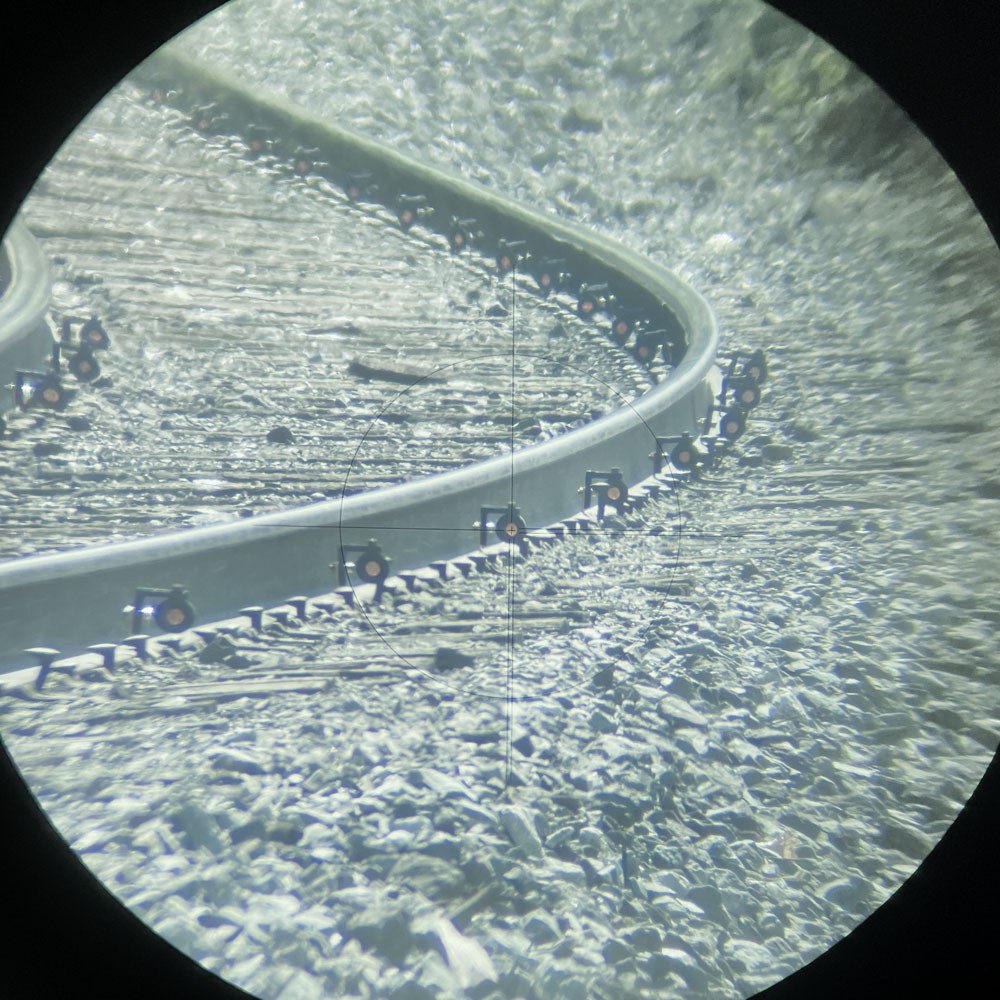
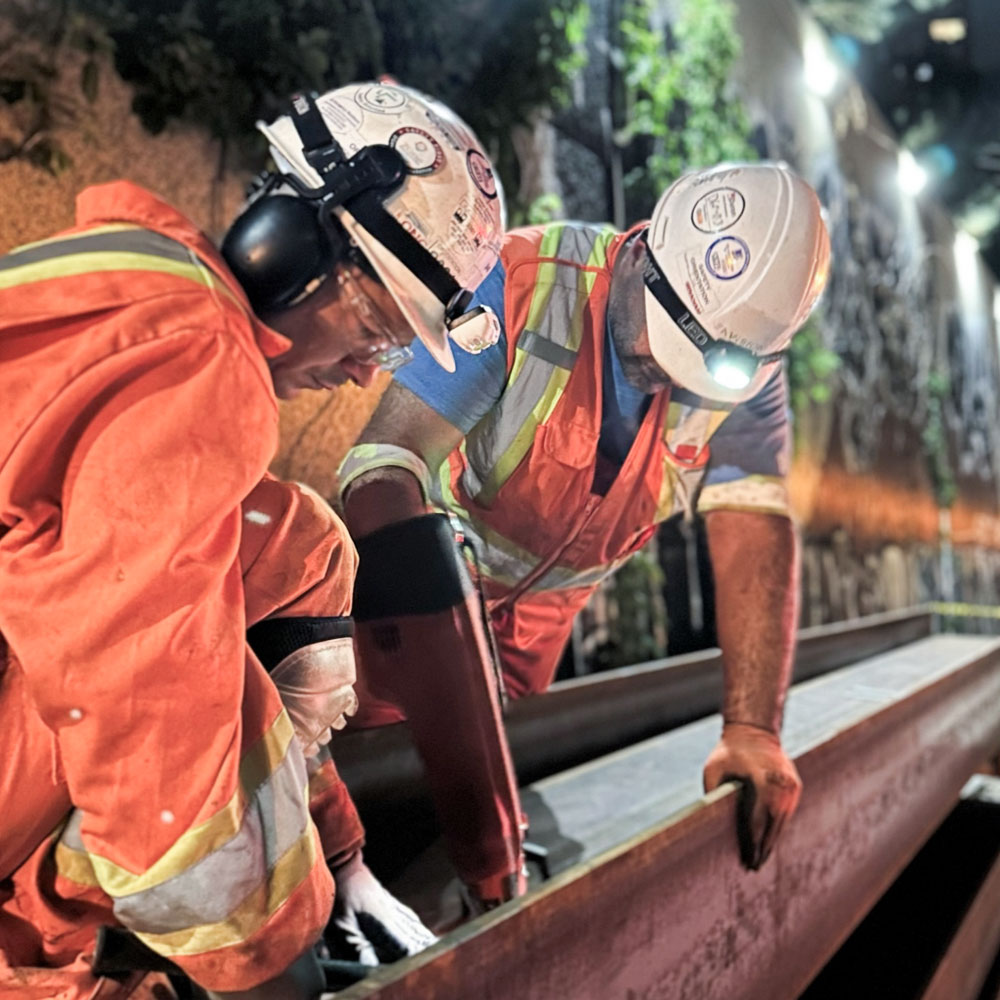
In large-scale projects, time is money. Delays can ripple through interconnected activities, jeopardizing deadlines and increasing costs. For infrastructure like transit, where service disruptions affect thousands of people, the stakes are even higher. By streamlining data collection and processing, teams can make timely decisions that keep projects on track and minimize impacts to ongoing operations. Real-time data isn’t just about avoiding problems—it’s about enabling continuous progress.
What sets leading organizations apart is a commitment to continually improving both the collection and presentation of data. This means investing in new technologies, refining monitoring protocols, and developing better ways to visualize and share information. By making data more accessible and understandable, teams can collaborate more effectively, spot trends sooner, and drive innovation across the project lifecycle.
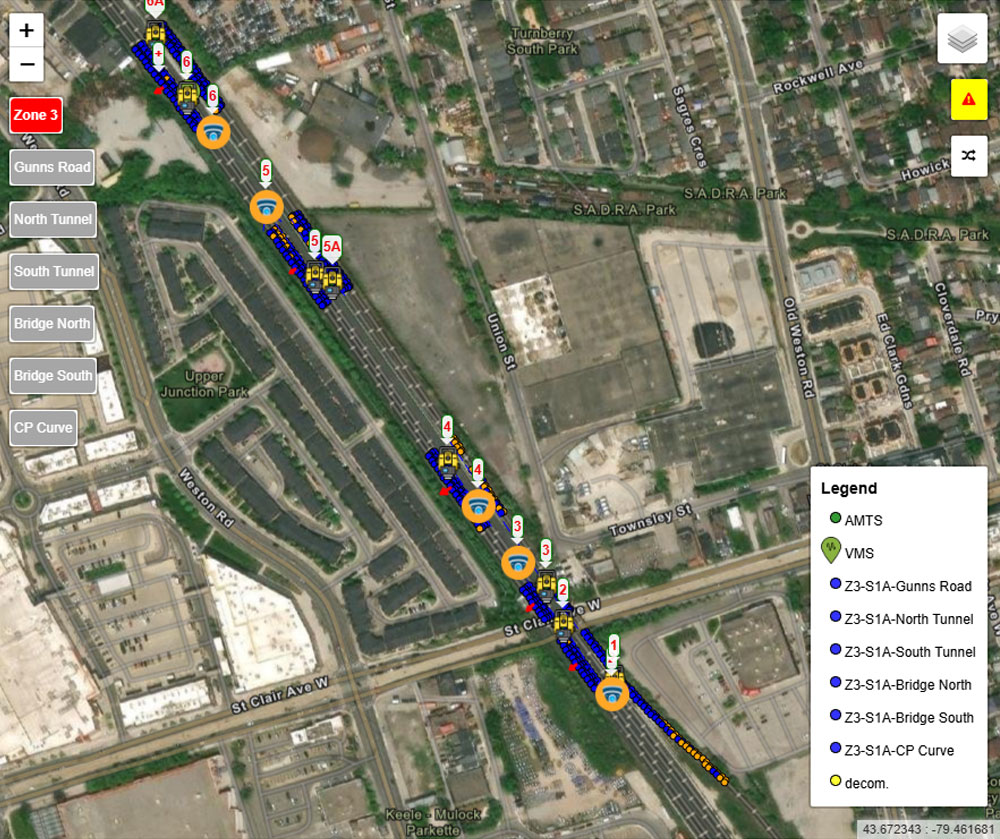
As demonstrated in projects like South Georgetown, where precision monitoring and teamwork delivered results without compromising deadlines, the science of instrumentation and monitoring is always advancing. Each project offers opportunities to learn, adapt, and refine best practices. By fostering a culture of continuous improvement, organizations not only solve today’s challenges—they lay the groundwork for safer, more efficient, and more resilient infrastructure in the future.
In the fast-paced world of infrastructure construction, accurate and timely data is the backbone of success. But it’s the ongoing pursuit of better data collection and presentation that truly evolves the science and practice of instrumentation and monitoring—empowering teams to deliver projects that stand the test of time.