Risk-based tools for smarter soil reuse.
Ontario’s excess soil regulation is reshaping how municipalities, developers, and contractors manage excavated materials. With Ontario Regulation 406/19 for On-Site and Excess Soil Management (O. Reg. 406/19) now standard practice, risk assessment tools like the Beneficial Reuse Assessment Tool (BRAT) and Due Diligence Risk Assessment (DDRA) can help receivers make informed decisions about soil reuse. These tools not only reduce landfill dependency, but also support sustainable development by aligning soil quality with site-specific needs. As environmental and geotechnical factors grow more complex, advanced planning and tailored assessments are key to unlocking cost-effective, compliant reuse strategies.
Why excess soil matters more than ever.
Excess soil—excavated material removed from a project site—is no longer just waste. Under O. Reg. 406/19, it’s a regulated resource. The regulation sets out clear standards for beneficial reuse, requiring generators to characterize soil quality and receivers to meet site-specific criteria. This shift has made soil management a strategic priority for municipalities, developers, and infrastructure projects.
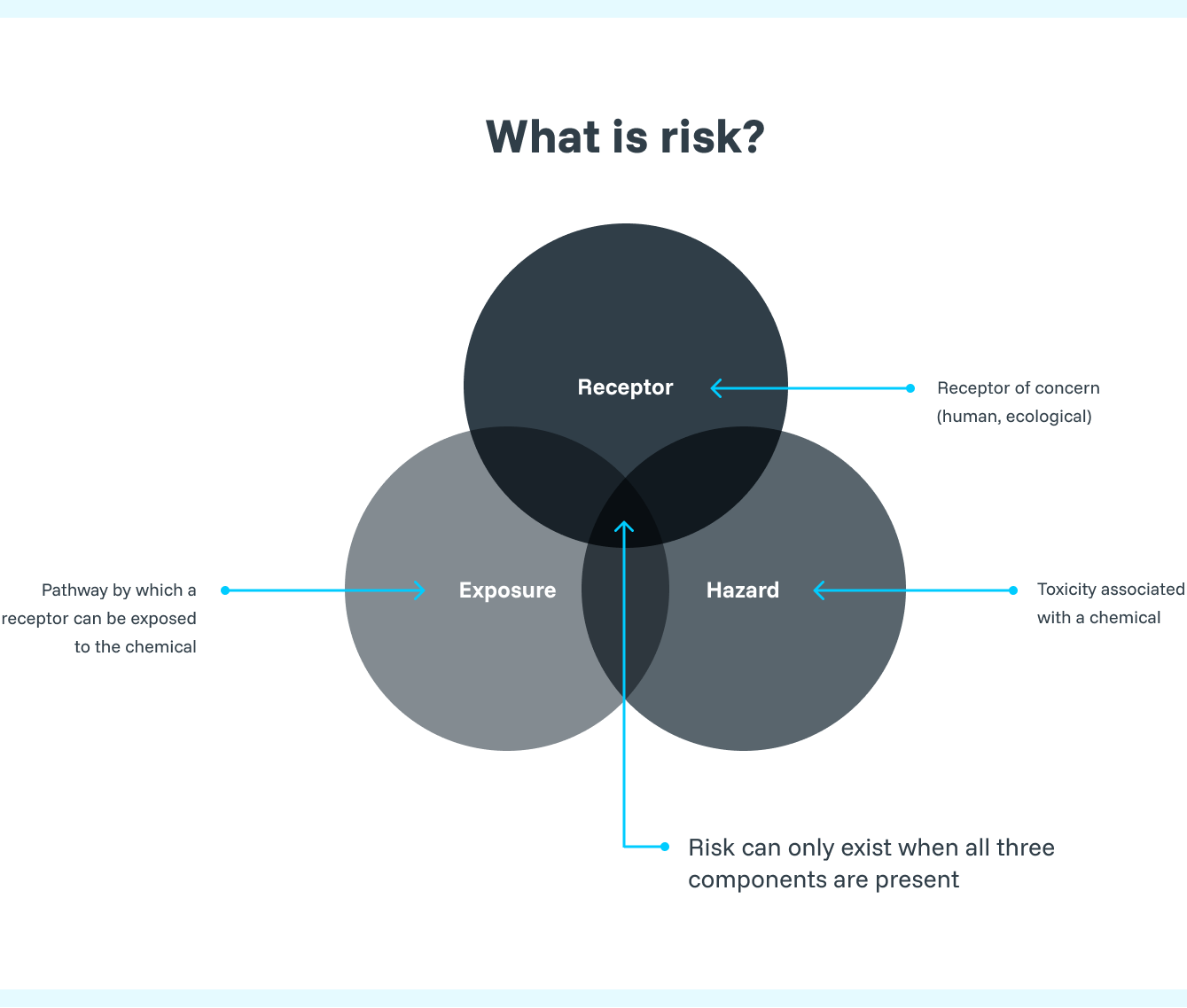
Finding a suitable re-use site is more cost effective and beneficial than sending soils to a landfill.
Risk Assessment Tools: BRAT and DDRA
Two key tools are transforming how receivers evaluate soil suitability, specifically by setting Site Specific Standards, which can improve the pool of potential source sites:
- Beneficial Reuse Assessment Tool (BRAT)
BRAT allows for modification of generic standards based on site characteristics—like proximity to surface water or aquifer conditions—and incorporates additional testing (e.g. SPLP leachate testing) to refine exposure pathways and built-form risk management measures. It’s ideal for sites importing soils to facilitate development, providing relief when concentrations exceed generic standards. - Due Diligence Risk Assessment (DDRA)
Using a risk-based approach DDRA can offer more flexibility than BRAT when determining site specific standards under a site-specific instrument. The DDRA process allows for exclusion of non-relevant exposure pathways and inclusion of more risk management measures. It’s suited for complex scenarios like Table 1 environmentally sensitive sites, Aggregate Resources Act lands, and those already requiring site-specific instruments.
Environmental Playbook: Planning Ahead
Environmental and geotechnical investigations must be aligned early in the project lifecycle. The playbook emphasizes early determination and planning for:
- Cut/fill balance and soil suitability
- Regulatory requirements based on site history and future built form
- Soil movement registration and Qualified Person responsibilities
Designing these programs takes a lot of planning!
Special analyses and risk management measures
Advanced testing like SPLP can allow for significant relief from generic standards, especially for contaminants like PAHs, VOCs, and methyl mercury. Risk management measures—such as hard cap barriers—can further reduce exposure risks and expand reuse options.
Planned hard caps can provide relief when exceedances of Generic Standards of common parameters are identified.